
Texas Auto Transport
Texas spans multiple climate zones and carrier corridors connecting national vehicle movement.
Texas includes 3 hubs → Dallas, Houston, San Antonio; 3 corridors → California, Florida, Arizona; 1 logistics node → Port of Houston; 3 climate zones → Gulf Coast, Central Plains, West Texas desert; 2 demand patterns → May–Aug relocation peak and Oct–Dec snowbird inbound. Texas plays a central routing role in nationwide auto transport networks connecting western, southern, and inland freight movement. This page explains transport behavior, routing structure, and timing across Texas.
Get a Free Quote
Live RatesFast, accurate & instant transport pricing
Texas Auto Transport
Texas auto transport operates across three primary logistics hubs with independent carrier dispatch networks and daily outbound departure capacity. Dallas operates as the central Texas hub at the I-35 and I-20 interchange. Houston operates as the Gulf Coast hub at the I-10 and I-45 interchange with port logistics connections to the Port of Houston. San Antonio operates as the south-central hub at the I-10 and I-35 interchange.
Three dominant outbound corridors account for the largest carrier volume of any landlocked state in the southern network: Texas to California via I-10 westbound, Texas to Florida via I-10 eastbound, and Texas to Arizona via I-10 westbound through El Paso.
The Port of Houston generates inbound vehicle transport demand from international vehicle import cycles and connects to the Gulf Coast carrier network. Three operationally distinct climate zones affect carrier routing and scheduling by season: Gulf Coast humidity and heat in Houston, Central Plains dry heat in Dallas and San Antonio, and West Texas desert along the El Paso corridor.
Seasonal demand operates with a single dominant peak from May through August driven by the national relocation season, combined with a secondary inbound demand surge from October through December as snowbird vehicles move to Texas from northern states for winter.
Texas auto transport's three-hub structure operates within the broader auto transport by state network and sits beneath vehicle transportation services alongside core commercial offerings in auto transport services and car shipping. Texas carrier network density and the Port of Houston logistics cycle combine to make Texas one of the shortest lead-time states in the country.
Carriers on your route book 5–7 days out.
Reserve your pickup window now to hold today's rate — spots release to the next shipper at the dispatch cutoff.
Pickup slots left this week (placeholder)
3 of 18 remaining
✓ Booked · Sedan · Phoenix → Houston · 11 min ago
Texas Auto Transport Network Profile

Dallas Hub
North Texas Carrier Network
Dallas and North Texas Carrier Hub
Dallas operates as the central Texas carrier hub at the I-35 and I-20 interchange. The hub generates daily carrier departure capacity north to Oklahoma, Kansas, and the Midwest via I-35 northbound; south to Austin, San Antonio, and the Mexican border via I-35 southbound; west to Abilene and the West Texas corridor via I-20 westbound; and east to Shreveport and Louisiana via I-20 eastbound. Dallas maintains consistent year-round carrier frequency across all four directions. Dallas auto transport operates year-round with daily carrier availability on all major outbound corridors.
Houston and the Gulf Coast Carrier Hub
Houston operates as the Gulf Coast carrier hub at the I-10 and I-45 interchange. The hub generates daily carrier departure capacity west to San Antonio, Austin, and the I-10 California corridor; east to Beaumont, Louisiana, and Florida; and north to Dallas via I-45. Houston's connection to the Port of Houston creates post-port carrier availability windows when carriers delivering imported vehicles inland become available for outbound Houston pickups. Houston auto transport operates year-round with daily carrier availability on all three primary corridors.

Houston Hub
Gulf Coast + Port Network

South Texas Corridor
I-35 & I-10 Flow Network
San Antonio and the South-Central Texas Hub
San Antonio operates as the south-central Texas hub at the I-10 and I-35 interchange, serving south Texas, the Hill Country, and the San Antonio metro area. Carrier dispatch from San Antonio serves I-10 eastbound to Houston and Florida, I-10 westbound to El Paso and California, and I-35 northbound to Austin and Dallas. Carrier frequency from San Antonio is consistent year-round and driven by cross-state I-10 corridor traffic and San Antonio metro demand.
Port of Houston and Gulf Coast Logistics Cycles
The Port of Houston processes vehicle import shipments from international manufacturers. The inland delivery of these vehicles to Dallas, Austin, the Midwest, and other inland destinations generates carrier dispatch demand that originates at the Houston hub. When vehicle import shipments arrive at the port, carriers delivering those vehicles inland complete their port delivery and become available for outbound Houston and Gulf Coast pickups before returning to their origin dispatch zone. These post-port availability windows create carrier access for standard Houston bookings at specific intervals aligned with port arrival schedules.

Port of Houston
Import + Carrier Cycle System
Texas Auto Transport Corridors
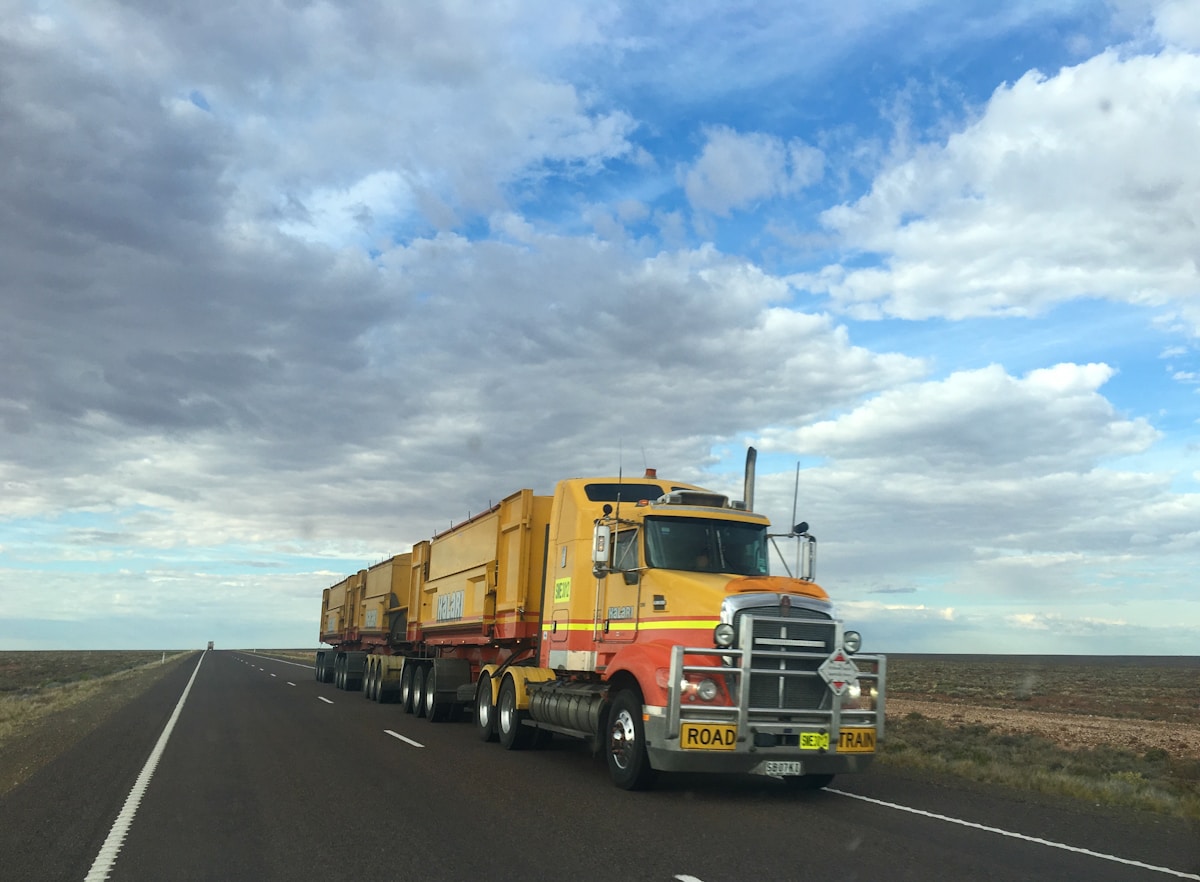
Texas's corridor structure is defined by three dominant outbound corridors connecting Texas to California, Florida, and Arizona, and supplemental north-south corridors connecting Texas to the Midwest.
Texas → California
Westbound Flow
Texas to California The I-10 Cross-Country Corridor
Texas to California auto transport via I-10 westbound is one of Texas's highest-volume outbound corridors. Vehicles move west from Dallas, Houston, and San Antonio to Los Angeles, San Diego, and San Francisco. The corridor follows I-10 westbound across the full width of Texas through San Antonio, El Paso, and the New Mexico and Arizona connections. Carrier frequency is consistent year-round on both directions. Transit time from Houston to Los Angeles via I-10 averages 3 to 4 days.
Texas → California
California → Texas
Inbound Volume
California to Texas — Inbound Cross-Country Corridor
California to Texas auto transport is the most frequently booked interstate transport route in the western carrier network. Vehicles move east from California to Dallas, Houston, and San Antonio during the May through August relocation peak and throughout the year for standard moves. Carrier frequency is daily from all three California hubs to all three Texas hubs. Transit time from Los Angeles to Dallas via I-10 and I-20 averages 3 to 4 days.
California → Texas
Texas → Florida
Eastbound Corridor
Texas to Florida and the I-10 Eastern Corridor
Texas to Florida auto transport via I-10 eastbound connects Houston and San Antonio to Tallahassee, Jacksonville, and the Florida Gulf Coast. The corridor extends from Houston eastbound across Louisiana, Mississippi, Alabama, and the Florida Panhandle. Carrier frequency is consistent year-round. Transit time from Houston to Florida via I-10 averages 2 to 3 days.

Texas → Arizona
I-10 West Corridor
Texas to Arizona — The El Paso Corridor
Texas to Arizona auto transport via I-10 westbound connects Dallas, Houston, and San Antonio to Phoenix and Tucson. The corridor passes through El Paso at the Texas-New Mexico border and continues westbound to Arizona. Carrier frequency is consistent year-round, with increased demand during the October through December snowbird inbound season. Transit time from Dallas to Phoenix via I-10 averages 2 to 3 days.
Texas → ArizonaSeasonal Demand and Transport Timing in Texas
May to August — Summer Relocation Peak
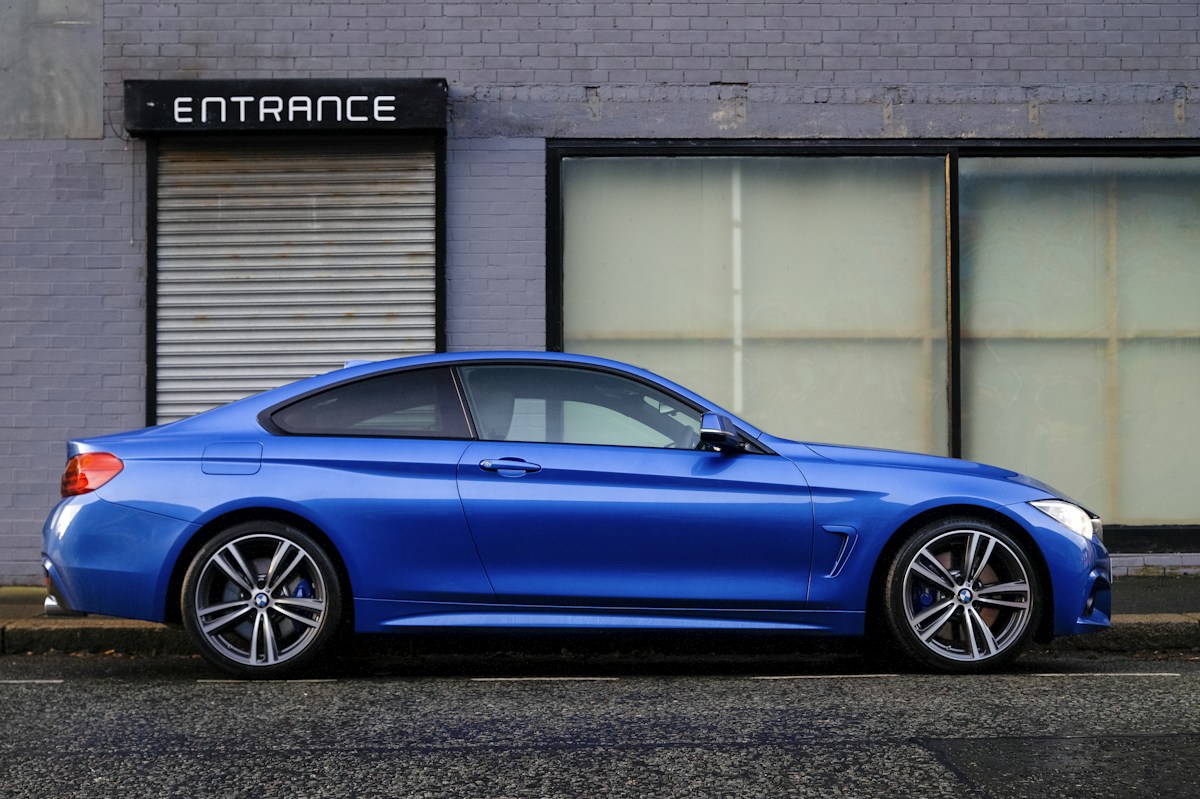
May through August is Texas's highest-demand transport period, driven by the national relocation season. Outbound carrier demand from Dallas, Houston, and San Antonio reaches annual maximum. Lead times extend to 7–14 days during May through August for California and Florida destinations. The summer relocation peak overlaps with Gulf Coast humidity in Houston, Central Plains dry heat in Dallas and San Antonio, and West Texas desert heat along El Paso corridor.
October to December — Snowbird Inbound Season
October through December is Texas's secondary demand period, driven by snowbird vehicles moving from northern states to Texas for winter residence. Inbound carrier demand increases to Dallas, Houston, and San Antonio. Lead times average 5–10 days during the snowbird inbound surge.

Off-Peak Window — January Through April
January through April is Texas's most favorable scheduling window. Carrier availability across all three Texas hubs is at annual maximum. Standard lead times average 3–5 days for all regions. This period provides the shortest booking-to-pickup timing in the Texas carrier network.
Gulf Coast
Humidity + Heat
Central Plains
Dry Heat Zones
West Texas
Desert Corridor
Carrier Coordination and Dispatch Operations in Texas
Texas's carrier coordination layer operates around the three-hub structure and the Port of Houston post-port availability cycle that creates specific windows of increased outbound carrier frequency from the Houston hub.
Three-Hub Dispatch Network and Corridor Coverage
Texas's carrier coordination layer operates around the three-hub structure and the Port of Houston post-port availability cycle that creates specific windows of increased outbound carrier frequency from the Houston hub. Dallas, Houston, and San Antonio operate independent dispatch networks that together provide statewide carrier coverage across all three dominant corridors. Dallas serves as the primary hub for Midwest-bound and northern corridor traffic. Houston serves as the primary hub for Florida-bound and eastern corridor traffic, with port logistics creating additional carrier availability windows. San Antonio serves as the crossroads hub for I-10 westbound California traffic and I-35 northbound Dallas traffic. Dispatch execution across all three hubs is managed through logistics operations to coordinate load sequencing and corridor demand distribution before booking confirmation.
Texas Hub Network
Dallas • Houston • San Antonio
Port of Houston Carrier Availability Cycles
When vehicle import shipments arrive at the Port of Houston, carriers delivering those vehicles inland to Dallas, Austin, and Midwest destinations complete their port delivery and become available for outbound Houston and Gulf Coast pickups before returning to their origin zones. These post-port availability windows create specific periods of higher carrier frequency from the Houston hub that benefit standard Houston bookings. Port arrival schedules are coordinated through the Houston hub dispatch network.
Explore Other Vehicle Transport Service Options
All four transport methods are available across all three Texas hubs, and method selection is determined by vehicle type and value. Texas's three climate zones create distinct seasonal conditions that influence transport choice during the May through August heat window.

Open Auto Transport
Open auto transport is available statewide across all three Texas hubs and is the standard method for the majority of Texas transport. Open carrier transport during May through August exposes vehicles to sustained heat across Gulf Coast humidity in Houston, Central Plains dry heat in Dallas and San Antonio, and West Texas desert heat along the El Paso corridor.
Enclosed Transport
Enclosed auto transport is available statewide with higher carrier frequency out of the Dallas and Houston hubs. It provides heat and UV exposure protection during the May through August summer window and is used for specialty finishes and heat-sensitive electronics.
Expedited Transport
Expedited auto transport provides priority carrier assignment across all three Texas hubs and is particularly effective during the May through August summer relocation peak when standard scheduling windows extend to 7 to 14 days.
Door-to-Door
Door-to-door auto transport coordinates direct address delivery statewide. Rural Texas addresses with long private driveways or unpaved access roads may require carrier approach verification before booking confirmation due to multi-car hauler access requirements.
Texas Preparation and Transport Considerations
Texas has no CARB equivalent. All FMCSA-compliant carriers can operate within Texas without state-specific compliance verification. Texas's vehicle transport regulatory environment mirrors the federal FMCSA baseline without additional emissions or operational requirements for carriers. Full carrier authority verification sits inside compliance and carrier verification standards.
Compliance →
Standard vehicle preparation applies: quarter-tank fuel level, personal items removed, alarm and anti-theft deactivated, and condition photos taken before pickup. Vehicles being transported from Texas during May through August should have exterior condition photographed under shade or indoors because direct sunlight photography in Texas summer heat can affect color accuracy in the pre-transport record. The full vehicle pickup procedures framework sits inside the logistics process for vehicle transport.
Logistics Process →
Bill of lading is signed at delivery, and the delivery inspection matches the pre-transport condition record. Texas DMV title requirements for vehicles being newly registered in Texas include standard title transfer procedures without smog check or VIN inspection requirements beyond federal baseline. Full delivery documentation protocols sit inside compliance and carrier verification for post-delivery steps.
Compliance →Planning Texas Auto Transport
Planning Matrix
• corridor impacts scheduling
• port cycles affect availability
• climate zones affect routing
Shipping from Texas during the May through August summer relocation peak to California or Florida requires booking 7 to 14 days ahead because outbound carrier demand from all three Texas hubs is at annual maximum. Shipping to Texas during the October through December snowbird inbound surge requires booking 5 to 10 days ahead for all three hubs because inbound carrier capacity is allocated to northern-origin snowbird vehicles.
Shipping during the January through April off-peak window follows standard 3 to 5 day lead times from all three Texas hubs across all corridors. Port of Houston arrival windows create specific periods of higher outbound carrier availability from the Houston hub, and these windows are coordinated through the Houston dispatch network. Rural Texas addresses with long driveways or unpaved access roads should be verified at booking for carrier approach feasibility.
Cost variables specific to Texas transport sit inside pricing and cost factors. Three-hub carrier coordination and Port of Houston post-port availability cycles are managed through logistics operations to match booking windows with carrier frequency before confirmation.