
Your sedan is ready. The carrier is confirmed. Here’s exactly how it moves.
Sedan Transport and Shipping
Sedans are the most commonly transported vehicle type in the carrier network, defined by a standard wheelbase, moderate ground clearance, and a 3-box body structure that fits directly into open carrier loading systems without modification.
Sedan transport is determined by physical configuration — not by shipping preference.
Get a Free Quote
Live RatesFast, accurate & instant transport pricing
Sedans
Sedans are vehicle transport objects defined by a 3-box enclosed body structure, moderate ground clearance, and standardized wheelbase dimensions, which directly influence carrier compatibility, ramp loading behavior, and slot positioning during transport. Typical sedan configurations include a wheelbase of 105 to 115 inches, ground clearance of 5 to 7 inches, and a curb weight of 2,800 to 4,200 pounds. Ground clearance remains the primary transport variable, as it determines ramp approach angle, loading feasibility, and placement within carrier deck systems.
Sedan is one of several vehicle types shipped within structured vehicle transportation systems.
Body Structure
3-Box Enclosed
Ground Clearance
5–7 Inches
Weight Class
2,800–4,200 lbs
Carriers on your route book 5–7 days out.
Reserve your pickup window now to hold today's rate — spots release to the next shipper at the dispatch cutoff.
Pickup slots left this week (placeholder)
3 of 18 remaining
✓ Booked · Sedan · Phoenix → Houston · 11 min ago
What Defines a Sedan as a Transport Object
A sedan’s transport profile is defined by four measurable attributes that determine how it is loaded, assigned to a carrier, and moved through the transport network.
Load Geometry
Wheelbase
105–115 inches
Fits standard carrier deck spacing.
Ramp Variable
Ground Clearance
5–7 inches
Compatible with ramp loading.
Weight Class
Curb Weight
2,800–4,200 lbs
Standard carrier slot allocation.
Structural Model
Body Profile
3-box enclosed structure
No custom loading required.
Physical and Mechanical Attributes That Determine Transport
A sedan's transport profile rests on four measurable attributes: ground clearance, curb weight, wheelbase, and fuel type. Each one decides whether standard open carrier equipment can move the vehicle without modification or special preparation.
Ground Clearance and Ramp Compatibility
Standard sedan ground clearance falls between 5 and 7 inches, which sits above the open carrier ramp contact threshold. A sedan drives straight up the carrier ramp without scraping the front lip or undercarriage. Modified sedans with lowered suspension or aftermarket body kits sometimes drop below the safe threshold, and those configurations are addressed in the constraints section below.
Upper Deck
Sedan Slot
Lower Deck
Curb Weight and Carrier Slot Allocation
Sedan curb weight ranges from 2,800 to 4,200 pounds, which fits inside standard carrier slot capacity. A typical open carrier holds 7 to 10 vehicles, and each sedan occupies a single slot without requiring adjacent clearance. Heavier sedans usually load to the lower deck for stability, while lighter ones move to the upper deck so weight stays balanced across the trailer axles.
Fuel Type and Pre-Transport Requirements
Gasoline sedans require a quarter-tank fuel level at pickup, which keeps weight low and matches carrier safety policy. Hybrid sedans follow the same fuel protocol with no extra battery handling for road transport. Electric sedans need a specific battery charge level per carrier safety guidelines, with the full preparation profile detailed for electric vehicles transport.
Electric sedan transport considerations are handled separately.
Fuel Level
Sedan Type
EV Ready
Transport Methods That Serve Sedan Shipping
A sedan's physical profile is compatible with multiple transport methods. The right method depends on vehicle value, delivery preference, and timeline rather than vehicle category alone.
Open Auto Transport
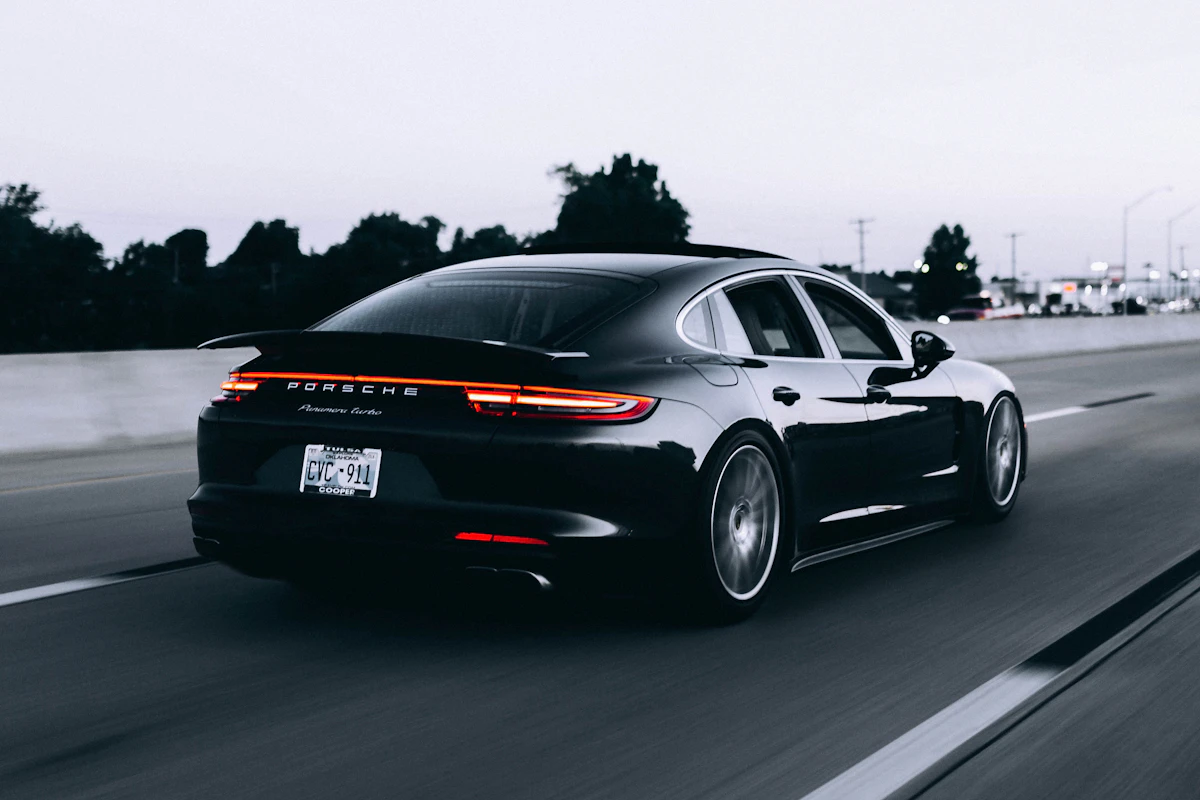
Open auto transport is the primary method for standard sedan shipping. Sedan dimensions, ground clearance, and weight class match open carrier equipment without adaptation, which makes ramp loading and tie-down securement routine. Most production sedans move on multi-vehicle open trailers across the Brightway carrier network.

Enclosed Auto Transport
Enclosed auto transport applies to luxury sedans, high-value trim levels, and owners who require full weather and debris protection during transit. The fit condition is driven by vehicle value and protection requirement, not by vehicle category. A standard production sedan does not need enclosed handling unless its trim level justifies the upgrade.
Expedited Auto Transport
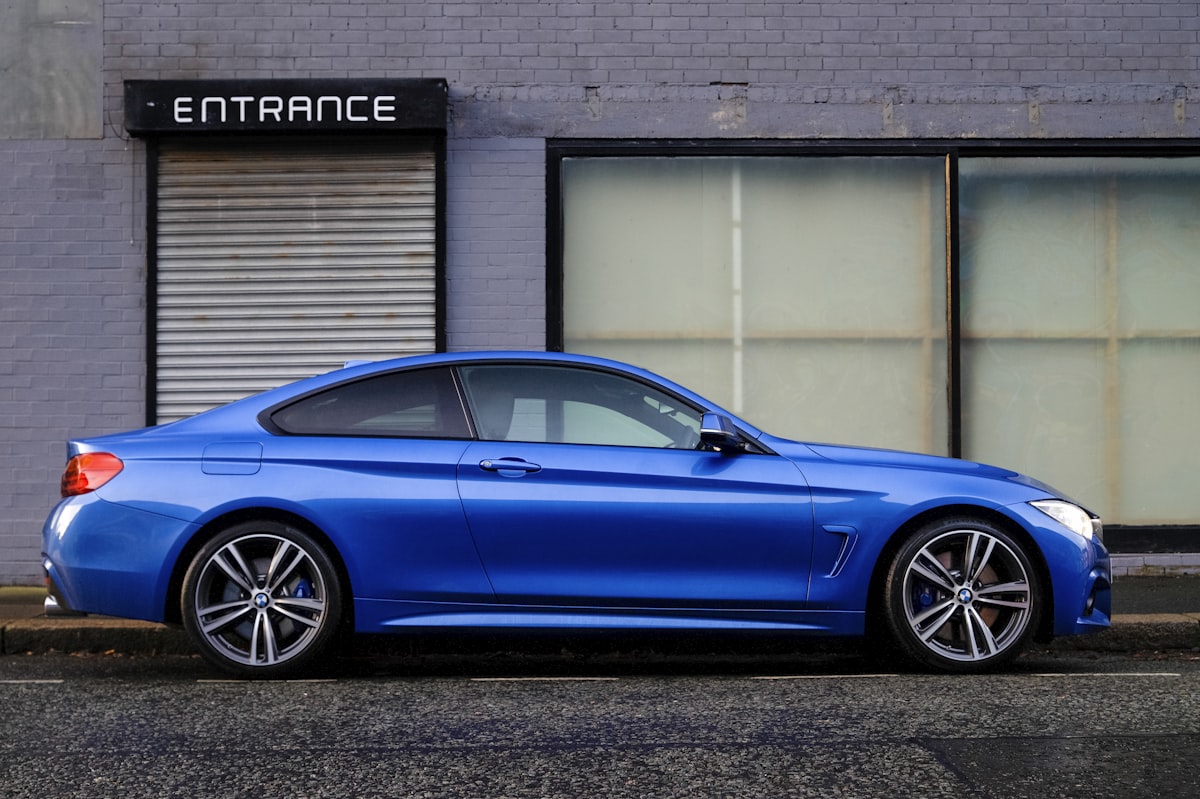
Expedited auto transport gives sedans priority carrier assignment when timeline is the controlling constraint. The standard scheduling window narrows because dispatch sequences the load earlier in the carrier route. The carrier type stays open or enclosed based on the vehicle profile, since this is a dispatch-priority service rather than a protection upgrade.

Door-to-Door Auto Transport
Door-to-door auto transport coordinates pickup and delivery directly at the addresses provided, removing the need for a terminal stop. Address accessibility decides whether direct service applies, since residential streets or tight turns sometimes require a nearby meeting point. This is a delivery model, not a carrier type.
How Sedans Are Loaded and Secured on Carriers
Sedan loading follows a standardized carrier procedure that runs through Brightway's logistics operations network. Ramp loading, deck positioning, and wheel tie-down securement are the three stages every sedan passes through on an open carrier.
Ramp Loading
Deck Positioning
Wheel Tie-Down Securement
Ramp Loading and Deck Positioning
Loading begins with the sedan driven up the carrier ramp at the angle the operator sets for the trailer geometry. Once on the deck, the crew positions the vehicle on the upper or lower level based on weight and the load-building plan for that route. Lower decks carry heavier sedans, upper decks carry lighter ones, and orientation, whether nose-first or rear-first, is decided by how the carrier balances the full load. The full sequence is documented inside the logistics process for loading and securement.
Wheel Tie-Down Securement
After positioning, soft tie-down straps secure the sedan at all four wheel contact points. The straps hook through the wheel well or pass over the tire, never attaching to the frame or undercarriage, which prevents structural stress on the body and suspension. The driver completes a securement check as part of the pre-departure inspection and signs it on the bill of lading. Wheel-only contact is the deliberate standard for sedan tie-down.
4-point securement system using wheel straps only
Constraints and Risk Factors for Sedan Transport
Most sedans move on standard open carriers without modification. Three configurations introduce constraints that shift method selection, loading procedure, or pre-transport preparation.
Low-Clearance and Body Kit Configurations
- Sub-4 inch clearance issue
- Requires alternative loading
Sedans fitted with aftermarket body kits, front splitters, or lowered suspension that reduces ground clearance below roughly 4 inches cannot use standard open carrier ramps without scraping. These vehicles need a liftgate-equipped enclosed carrier or a clearance assessment before booking, since a sub-4-inch profile is incompatible with conventional ramp loading. Risk handling for modified configurations is documented inside the vehicle transport safety standards.
Luxury and High-Value Trim Levels
- Paint exposure risk
- Protection requirement increases
High-value sedan trims, including executive packages, AMG, M-Series, and sport performance editions, carry greater cost-of-damage exposure during open transport. Weather exposure and road debris are real transit risks for painted surfaces, chrome detailing, and composite panels, which triggers the enclosed transport condition for these configurations. Owners weighing protection against budget can review the pricing and cost factors that influence enclosed sedan transport.
Hybrid and Electric Sedan Considerations
- Battery charge requirements
- Handling considerations
Hybrid sedans follow standard transport procedures with no extra preparation beyond the quarter-tank fuel protocol. Electric sedans require a specific battery charge level, typically 15 to 25 percent, since fully charged or fully depleted packs create handling risk during loading. EV-specific carrier requirements are covered separately on the electric vehicles page, and the carrier verification rules sit inside compliance .
Choosing the Right Transport Method for Your Sedan
The right method for a sedan reduces to four direct decisions tied to the vehicle profile and the move requirements:
Open auto transport
A standard production sedan in good condition belongs on open auto transport. The carrier equipment, ramp geometry, and slot allocation are built around this exact configuration, which is why open transport handles most sedan moves nationwide.
Enclosed auto transport
A luxury, executive, or performance trim sedan belongs on enclosed auto transport. Weather isolation and debris protection match the value level, and the upgrade is structural rather than optional.
Expedited auto transport
A timeline-constrained sedan move requires expedited auto transport, which can run on either open or enclosed equipment based on the underlying vehicle profile. Expedited is a dispatch priority, not a carrier upgrade.
Door-to-door auto transport
A residential pickup or delivery requires door-to-door auto transport when address accessibility allows it, which removes the terminal stop from the move plan.
Method Confirmation at Booking Review
Method confirmation is finalized at booking review. Brightway evaluates the sedan's profile, including trim level, modifications, and operability, before assigning the carrier so the chosen method matches the actual vehicle rather than a self-selected guess.
Frequently Asked Questions
Can my sedan be shipped on a standard open carrier? +
Yes, most production sedans fit standard open carrier dimensions without modification. The 5-to-7-inch ground clearance and 2,800-to-4,200-pound curb weight match the carrier's ramp angle and slot capacity. Lowered sedans, body-kit configurations, or sub-4-inch clearance vehicles need a clearance review before booking and may move on enclosed equipment instead.
When should I pick enclosed transport for a sedan? +
Enclosed transport applies when vehicle value or finish quality justifies sealed protection. Luxury trims, AMG, M-Series, and performance packages typically move enclosed because weather exposure and road debris create real damage risk on open carriers. A standard production sedan does not need enclosed handling unless protection requirements outweigh the cost difference.
How are sedans secured on the carrier? +
Sedans are secured with soft tie-down straps at all four wheels. The straps hook through the wheel well or run over the tire, never attaching to the frame or undercarriage. This prevents stress on the body or suspension during transit. The driver checks securement before departure and records it on the bill of lading.
What information is needed to ship a sedan? +
A sedan transport booking requires the vehicle year, make, model, and trim level, the pickup and delivery addresses, the preferred pickup window, the operability status, and any modifications such as lowered suspension or aftermarket body kits. Configuration notes feed directly into the method-fit review and the carrier assignment that follows.
Do hybrid and electric sedans ship the same way as gasoline sedans? +
Hybrid sedans ship under the same fuel and loading protocol as gasoline sedans, with a quarter-tank fuel level at pickup. Electric sedans require a 15-to-25-percent battery charge instead, since extreme charge states create handling risk. Otherwise, the carrier type, loading sequence, and securement are identical for all three powertrains.