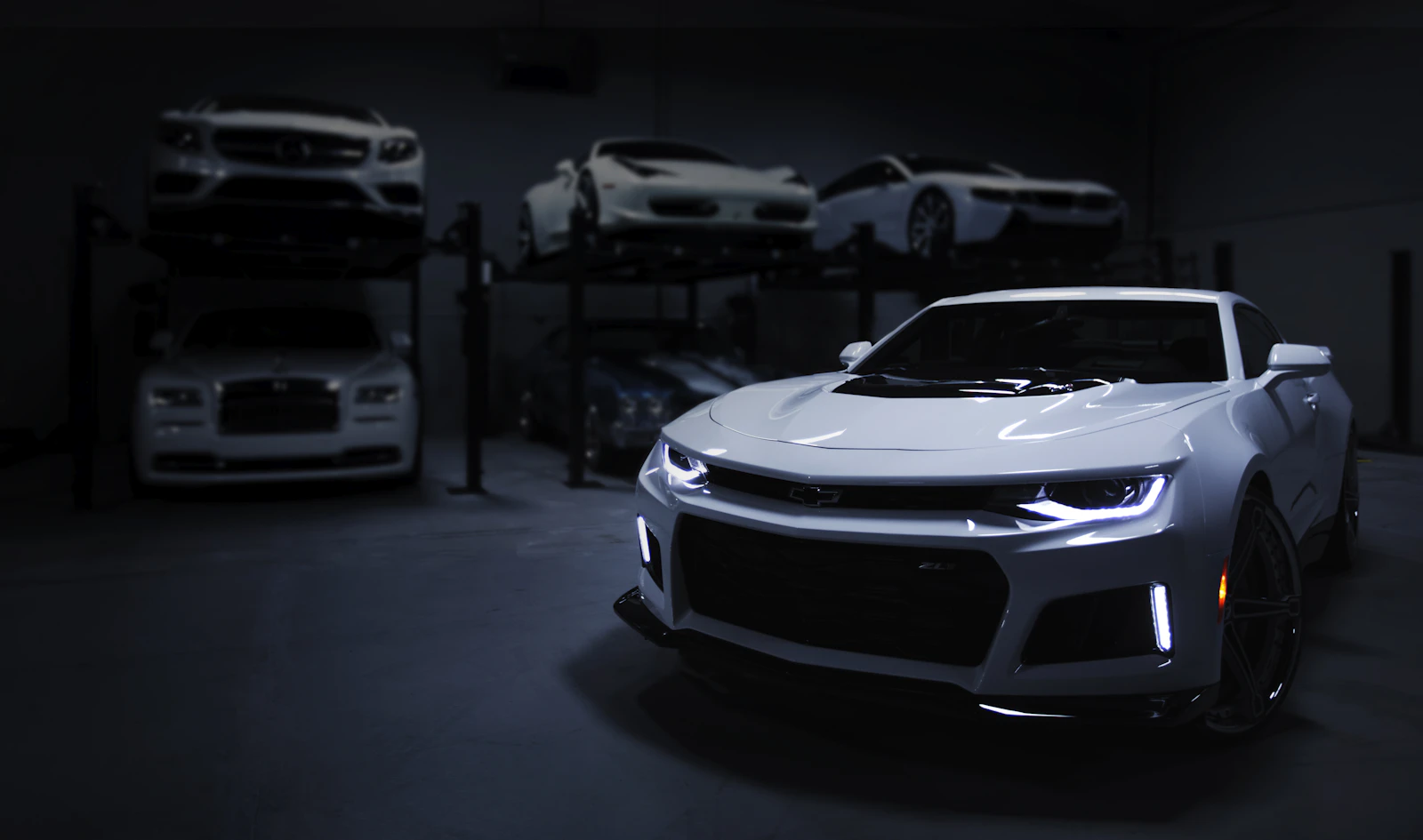
Built to a different standard. Shipped to the same one.
Luxury Vehicle Transport and Shipping
Luxury vehicles are transported based on declared value and exterior finish integrity, not body type or size. These attributes determine carrier selection, handling standards, and documentation requirements — making enclosed transport the default method, not an upgrade.
Luxury vehicle transport is defined by protection level and documentation standard — not distance, size, or route.
Get a Free Quote
Live RatesFast, accurate & instant transport pricing
Luxury Vehicles
Luxury vehicles are transport objects defined by declared vehicle value, exterior finish type, ground clearance, onboard electronics profile, and body type. Declared value ranges from $50,000 to $500,000 and beyond. Finish types span factory paint, ceramic coating, paint protection film, and bespoke color, with ground clearance falling between 3.5 and 6 inches across performance and executive configurations. Value and finish integrity drive the transport methodology, and enclosed transport is the default assignment, not a premium upgrade.
Luxury vehicles are one of the vehicle types shipped within structured vehicle transportation systems, with method, carrier selection, and documentation requirements set by value tier and configuration profile.
Transport Standards
Luxury ≠ body type
Luxury = value + finish integrity
Enclosed = default method
Carriers on your route book 5–7 days out.
Reserve your pickup window now to hold today's rate — spots release to the next shipper at the dispatch cutoff.
Pickup slots left this week (placeholder)
3 of 18 remaining
✓ Booked · Sedan · Phoenix → Houston · 11 min ago
What Defines a Luxury Vehicle as a Transport Object
Luxury vehicle transport is defined by value exposure and finish vulnerability — not by size, fuel type, or weight.
Primary Driver
Declared Value
$50K – $500K+
Determines insurance level, carrier selection, and transport method assignment.
Exposure Factor
Exterior Finish Integrity
Paint / Ceramic / PPF / Custom
Finish type defines vulnerability level during handling and transit.
Transport Logic
Method Inversion
Enclosed = Default
Open transport is only used under conditional routing exceptions.
Physical and Value Attributes That Determine Luxury Vehicle Transport
A luxury vehicle's transport profile is defined by five attribute clusters: declared value, exterior finish type, ground clearance, onboard electronics, and body type. Each drives a distinct operational decision across carrier assignment, loading method, documentation standard, pre-loading protocol, and slot configuration.
Declared Vehicle Value and Documentation Requirements
Declared value is the primary decision variable for luxury vehicle transport. Three tiers shape documentation: standard luxury ($50,000 to $150,000) sits within standard cargo insurance limits; high-value ($150,000 to $300,000) requires declared value paperwork at booking; ultra-high-value ($300,000 and above) requires supplemental coverage arranged before transport. Value is established in writing before loading and forms the basis of any claim.
Standard Luxury
$50K – $150K
Within base insurance limits
High Value
$150K – $300K
Declared paperwork required
Ultra High Value
$300K+
Supplemental coverage mandatory
Factory Paint
Ceramic / PPF
Custom Finish
Exterior Finish Type and Transit Vulnerability
Exterior finish type determines the vulnerability profile during transit. Factory OEM paint is exposed to road debris and particulate; ceramic coatings introduce abrasion sensitivity at contact points; paint protection film can lift at panel edges under high-speed airflow; custom finishes use unique pigments that cannot be reproduced through standard repair systems. Each finish is recorded in the pre-transport inspection.
Ground Clearance and Loading Method Selection
Luxury vehicle ground clearance ranges from 3.5 inches on low-performance configurations to 8 inches on air-suspended SUVs. Clearance determines loading method: vehicles above ramp threshold use integrated ramp systems; below-threshold vehicles require liftgate-equipped enclosed carriers. The operative measurement is minimum ride height, not default stance.
Ramp vs Liftgate Logic
Determined by minimum ride height, not vehicle category
Electronics Protocol
Fob handling + suspension + safety mode setup before loading
Onboard Electronics and Pre-Loading Protocol
Luxury vehicles require electronic preparation before loading. Keyless entry systems are managed to prevent activation during transport; air suspension is set to transport or maximum ride height; sport modes, active exhaust systems, and parking sensors are deactivated before positioning. This is a carrier-level operational standard, not an optional service.
Body Type and Enclosed Carrier Slot Fit
Luxury vehicles span executive sedans, SUVs, grand tourers, convertibles, and ultra-long wheelbase saloons. Each category fits enclosed carrier slots differently. Convertibles must have roofs closed; ultra-long vehicles require slot verification before dispatch. Carrier assignment is based on slot geometry compatibility, not vehicle prestige or brand category.
Sedan
SUV
Coupe
Convertible
Transport Methods That Serve Luxury Vehicle Shipping
Enclosed auto transport is the default method assignment for luxury vehicles across all value tiers and body types. Open auto transport applies under specific conditions stated below. Expedited and door-to-door are operational modifiers that apply to either carrier type.

Enclosed Auto Transport
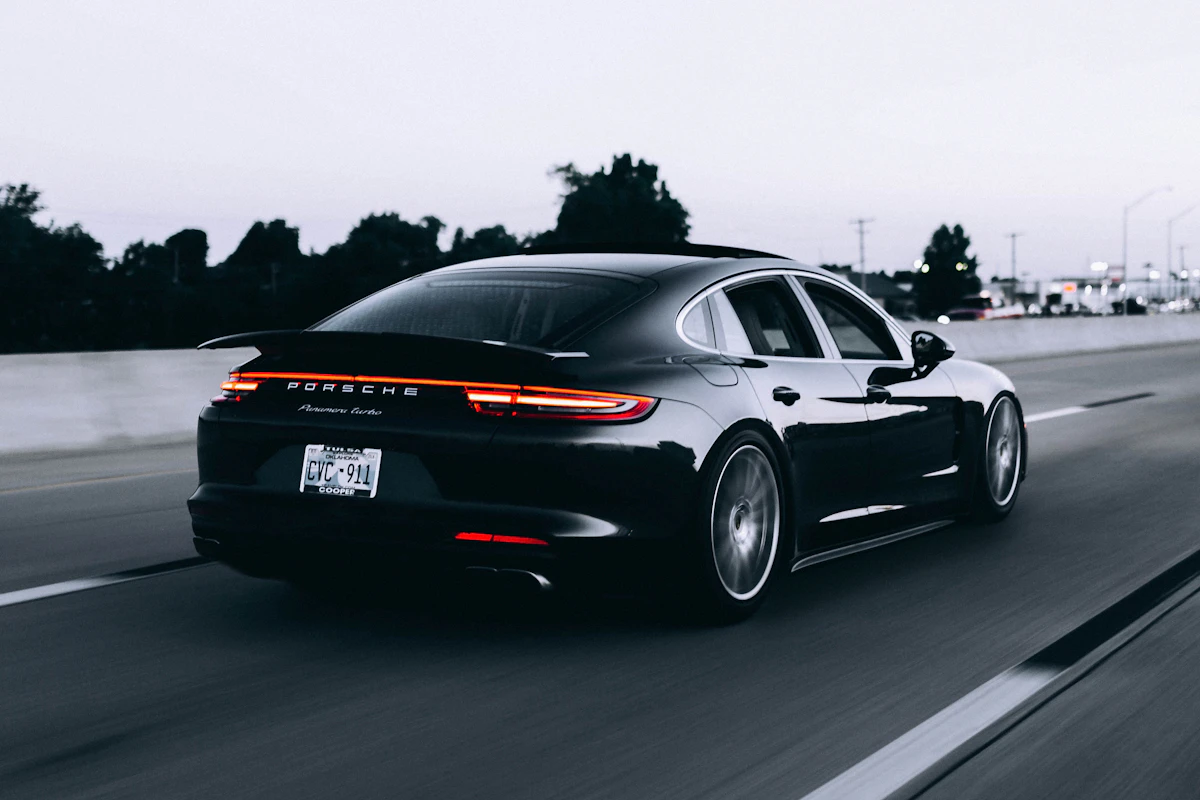
Enclosed auto transport is the primary method for luxury vehicle transport, not an optional upgrade. The enclosed carrier eliminates weather exposure, road debris, and particulate contact with the exterior finish during transit. Carriers use soft-strap wheel tie-down systems and liftgate loading where required.
Open Auto Transport
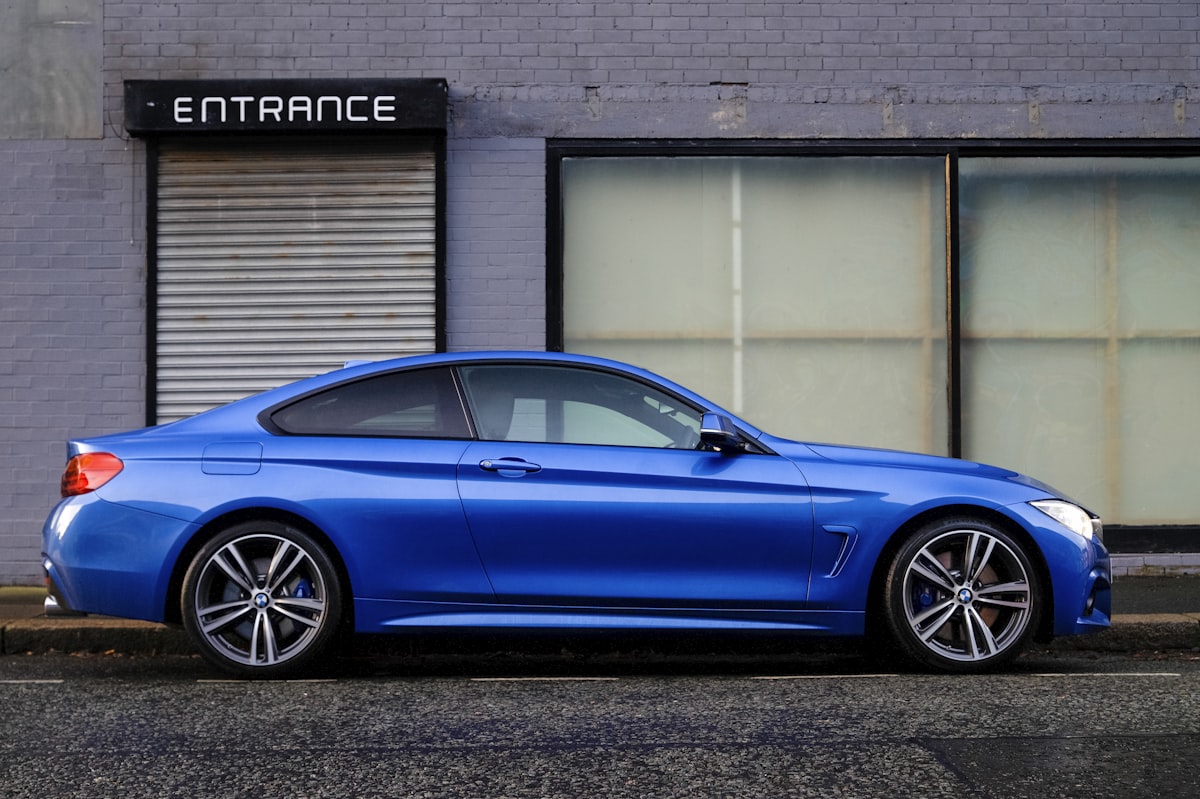
Open auto transport applies to luxury vehicles under one condition: the owner has assessed value, finish type, and transit risk and decided that open carrier exposure is acceptable. This is an owner-directed decision, not a carrier recommendation.
Expedited Auto Transport
Expedited auto transport applies to luxury vehicles where timeline is the primary constraint. It shortens scheduling through priority dispatch but does not change carrier type or handling standards. It is an upgrade to scheduling, not method.

Door-to-Door Auto Transport
Door-to-door auto transport coordinates luxury vehicle pickup and delivery directly at the specified address. Enclosed carrier access requirements apply, including street width, overhead clearance, and gated entry communication during booking.
How Luxury Vehicles Are Loaded and Handled on Carriers
Luxury vehicle loading runs through three stages within structured logistics operations: loading method selection by clearance, electronics pre-loading protocol, and condition documentation. Each stage is a carrier-level requirement, not an optional service.
Clearance-Based Loading
Electronics Preparation
Condition Documentation
Liftgate Loading and Ramp Loading by Ground Clearance
Ground clearance determines whether a luxury vehicle loads via ramp or liftgate on the enclosed carrier. Vehicles above the clearance threshold load via the carrier's integrated ramp inside the enclosed environment. Vehicles below the threshold load via a liftgate platform that raises hydraulically to carrier floor height, eliminating the ramp approach angle entirely. Clearance measurement uses minimum air suspension ride height, not default standing height. The full loading and securement procedure sits inside the logistics process for vehicle handling.
Electronics Protocol
Key fob + suspension + driving modes controlled before loading
Electronics Pre-Loading Protocol
The electronics pre-loading protocol runs as a sequential carrier requirement before the vehicle moves onto the carrier. The proximity key is managed to prevent anti-theft activation during loading, with fob handling confirmed at pickup. Air suspension is set to maximum ride height or transport mode before the vehicle approaches the ramp or liftgate. Active exhaust, sport mode, and performance driving modes are deactivated before loading to prevent unintended activation during carrier positioning.
Condition Documentation and Inspection Standard
The condition documentation standard for luxury vehicles is more comprehensive than standard vehicle transport. Pre-transport inspection captures the vehicle's condition through timestamped photography across all exterior panels, glass, wheels, and undercarriage access points, not a general notes record. The bill of lading records every pre-existing condition detail before loading. The same record set is replicated at delivery for claim validation and declared value protection.
Constraints and Risk Factors for Luxury Vehicle Transport
Most luxury vehicles transport on standard enclosed carriers without modification to the base handling process. Three configurations introduce constraints that affect loading method, insurance documentation, or finish-specific preparation requirements.
Ultra-Low Clearance and Liftgate-Only Configurations
- Below 4 inches ground clearance
- Liftgate-only loading required
Luxury performance vehicles with ground clearance below 4 inches, including low-profile coupes and sports car configurations, cannot use standard ramp loading on any carrier type. These vehicles require liftgate-equipped enclosed carriers exclusively. The constraint is absolute, set by ramp approach angle at minimum ground clearance rather than vehicle length or weight. Minimum clearance must be disclosed at booking. Loading-method risk handling falls under vehicle transport safety standards .
Ultra-High Declared Value and Supplemental Coverage
- Standard coverage limit exceeded
- Requires supplemental insurance
Standard cargo insurance on enclosed carriers covers vehicle damage up to a defined per-vehicle limit. For luxury vehicles above this threshold, supplemental declared value coverage fills the gap and is arranged at booking, not after loading. Declared value is supported by appraisal, NADA value, or purchase documentation. Coverage tier and declared value shape the cost variables in the pricing and cost factors breakdown.
Ceramic Coatings, PPF, and Custom Finish Vulnerabilities
- Surface sensitivity during transport
- Requires full disclosure & inspection
Ceramic coatings, paint protection film, and custom finishes introduce finish-specific vulnerabilities that must be disclosed at booking and documented in the pre-transport inspection. Ceramic coatings can abrade at contact points if soft-strap placement is not adjusted. PPF edges can lift from wind movement on enclosed carriers. Custom finishes require controlled-lighting photography. These rules fall under compliance and carrier verification standards .
Choosing the Right Transport Method for Your Luxury Vehicle
The right method for a luxury vehicle is set by value tier, clearance, finish type, and timeline. The conditions below each map to a specific transport assignment:
Standard luxury (50K–150K)
Standard luxury ($50,000 to $150,000) with factory paint and clearance above the ramp threshold: enclosed auto transport is the default; open applies only if owner-directed after risk assessment.
High-value (150K–300K)
High-value luxury ($150,000 to $300,000): enclosed auto transport with declared value documentation arranged at booking.
Ultra-high-value (300K+)
Ultra-high-value ($300,000 and above), limited production, or bespoke finish: enclosed auto transport with supplemental declared value coverage required before transport.
Low clearance (<4 inches)
Ultra-low clearance below 4 inches, regardless of value tier: liftgate-equipped enclosed carrier required; ramp-equipped carriers are not eligible.
Ceramic / PPF / custom finish
Ceramic coating, PPF, or custom finish: enclosed auto transport with finish type documented in pre-transport inspection before loading.
Urgent transport
Timeline-constrained luxury transport: expedited enclosed carrier assignment shortens availability without changing carrier type or handling standard.
Direct delivery
Address-to-address delivery required: door-to-door with enclosed carrier; approach clearance and property access verified at booking.
Method Confirmation Logic
Open transport always appears as an exception, not an equal option. Method confirmation and declared value documentation are finalized at booking review, where the full attribute profile is verified before carrier assignment.
Frequently Asked Questions
Is enclosed transport really necessary for a luxury vehicle? +
Yes. Enclosed transport is the default for luxury vehicles because vehicle value and finish vulnerability raise cost-of-damage exposure beyond what open carriers can mitigate. Open carriers expose the exterior to road debris, particulate, and weather. Open transport applies to a luxury vehicle only when the owner directly accepts the additional risk after assessment.
What is the difference between liftgate and ramp loading? +
Ramp loading drives the vehicle up the integrated ramp on the enclosed carrier. Liftgate loading places the vehicle onto a hydraulic platform that raises to carrier floor height, eliminating the ramp approach angle entirely. Vehicles with ground clearance below the ramp threshold (around 5 inches at minimum air suspension ride height) require liftgate-equipped enclosed carriers.
What does declared value coverage actually cover? +
Declared value documentation establishes the vehicle's stated value before loading and forms the evidentiary basis of any future claim. Standard cargo insurance covers damage up to a defined per-vehicle limit. For declared values above that limit, supplemental declared value coverage closes the gap. Both are arranged at booking, supported by appraisal or purchase documentation.
How are luxury vehicle electronics handled during loading? +
Three protocols apply before loading. Proximity keys are managed to prevent anti-theft activation. Air suspension is set to transport mode or maximum ride height to maximize clearance at the ramp or liftgate. Active exhaust, sport modes, and parking sensors are deactivated before the vehicle is positioned on the carrier. The protocol runs at the carrier level.
How is a ceramic-coated or PPF-protected vehicle documented for inspection? +
Ceramic coatings and paint protection film are documented under controlled lighting because surface reflections and film edges may not appear accurately in standard photography. Pre-transport inspection captures every panel, glass surface, wheel, and undercarriage point with timestamps. The same record is replicated at delivery to support any claim against pre-existing condition.
Enclosed Carrier Network
Default transport method across all luxury vehicle assignments.
Declared Value Coverage
Verified before dispatch to establish full insurance alignment.
Condition Documentation
Timestamped inspection record before and after transport.
Electronics Handling Protocol
Suspension, keys, and systems secured before loading.