
Illinois Auto Transport
Determine transport method, timing, and preparation for shipping to or from Illinois.
Illinois auto transport operates through a central U.S. logistics hub structure built around 1 major hub (Chicago), connected through 6 primary corridors (I-90, I-94, I-55, I-80, I-57, I-65). Demand cycles include snowbird outbound (Oct–Feb), snowbird return (Mar–May), and summer relocation (Jun–Aug). Winter routing is influenced by lake effect snow (Dec–Mar), while access conditions depend on truck routes, tollways, and residential pickup constraints. Illinois serves as a national dispatch anchor in the Midwest carrier network, supporting both inbound and outbound vehicle flow across the United States. This page explains transport timing, routing behavior, and preparation requirements for Illinois vehicle shipping.
Get a Free Quote
Live RatesFast, accurate & instant transport pricing
Illinois Auto Transport
Illinois auto transport operates from one carrier concentration zone at the intersection of six major interstates in Chicago. I-90 extends eastbound to Cleveland and New York and westbound to Madison and Seattle. I-94 extends eastbound to Detroit and Cleveland and westbound to Minneapolis. I-55 extends southbound to St. Louis, Memphis, and New Orleans. I-80 extends eastbound to Ohio and westbound to Iowa and California. I-57 extends southbound to Champaign and Cairo with I-55 connections. I-65 extends southbound to Indianapolis and Louisville. This six-direction carrier departure capacity makes Chicago the most connected single dispatch hub in the Midwest.
Illinois auto transport operates with three distinct seasonal demand phases: snowbird outbound from October through February as Illinois residents ship vehicles to Arizona, Florida, and California for winter; snowbird return inbound from March through May; and summer relocation peak from June through August. Winter routing conditions from December through March create Lake Michigan lake effect snow accumulation on the I-90 and I-94 corridors, generating carrier scheduling delays of 1 to 3 days during active weather events.
Illinois auto transport's single-hub structure generates carrier availability in six interstate directions simultaneously, which creates year-round dispatch stability across all regions of the country. This six-direction load building operates within the broader auto transport by state network and sits beneath vehicle transportation services alongside core commercial offerings in auto transport services and car shipping .
Carriers on your route book 5–7 days out.
Reserve your pickup window now to hold today's rate — spots release to the next shipper at the dispatch cutoff.
Pickup slots left this week (placeholder)
3 of 18 remaining
✓ Booked · Sedan · Phoenix → Houston · 11 min ago
Illinois Auto Transport Network Profile

Chicago Hub
Six-Corridor Carrier Concentration Zone
Chicago and the Six-Corridor Carrier Concentration Zone
Chicago operates as Illinois's carrier concentration zone because the intersection of I-90, I-94, I-55, I-80, I-57, and I-65 at one metropolitan area creates daily carrier departure capacity in six directions without seasonal single-direction compression. Carriers loading at the Chicago hub have simultaneous access to outbound routes toward the East Coast via I-90 and I-80 eastbound, the West Coast via I-90 and I-80 westbound, the Southeast via I-55 southbound, the Midwest via I-94 westbound and I-65 southbound, and the Pacific Northwest via I-90 westbound. The Illinois population concentration within 100 miles of Chicago along the I-55, I-80, and I-57 corridors means the single hub serves the entire state's carrier assignment needs. Chicago auto transport operates year-round with daily carrier availability on all six corridors.
Chicago metro carrier access operates under three constraint categories. Chicago city street carrier routing is subject to Chicago Metropolitan Agency for Planning designated truck route restrictions. Chicagoland tollway operations apply surcharges to multi-car haulers on the I-90, I-294, and I-88 toll corridors. Chicago Southside and West Side residential street access has limitations affecting direct delivery to addresses off designated truck routes. These constraints require address verification before booking for all Chicago city and inner suburban addresses.
Chicago auto transportDownstate Illinois — Carrier Coverage from the Chicago Hub
Downstate Illinois operates as an extension of the Chicago carrier hub, with vehicle pickups routed through interstate connectors and state highway systems rather than direct metropolitan dispatch zones. Key downstate markets include Champaign, Springfield, Peoria, and Rockford, which receive carrier assignments through scheduled extensions from Chicago outbound routes. Pickup timelines in these regions typically extend by 1–2 days due to lower carrier density and dependency on consolidated routing from the Chicago dispatch hub. State highway corridors and regional feeder routes connect these cities back into the I-55, I-57, and I-74 transport structure, allowing integration into national carrier flow despite lower local carrier concentration.

Downstate Illinois
Champaign • Springfield • Peoria • Rockford
Illinois Auto Transport Corridors
Illinois’s corridor structure radiates from the Chicago hub in six interstate directions, connecting the Midwest to every major U.S. region through continuous carrier flow.

I-55 & I-57
Southbound Corridor
Southbound to Southeast & Gulf States
I-55 and I-57 form Illinois’s primary southbound snowbird outbound corridor connecting Chicago to St. Louis, Memphis, New Orleans, and Florida via Gulf Coast routing. This corridor carries peak seasonal demand from October through February and reverses flow during March through May snowbird return cycles.
Florida to New York auto transport →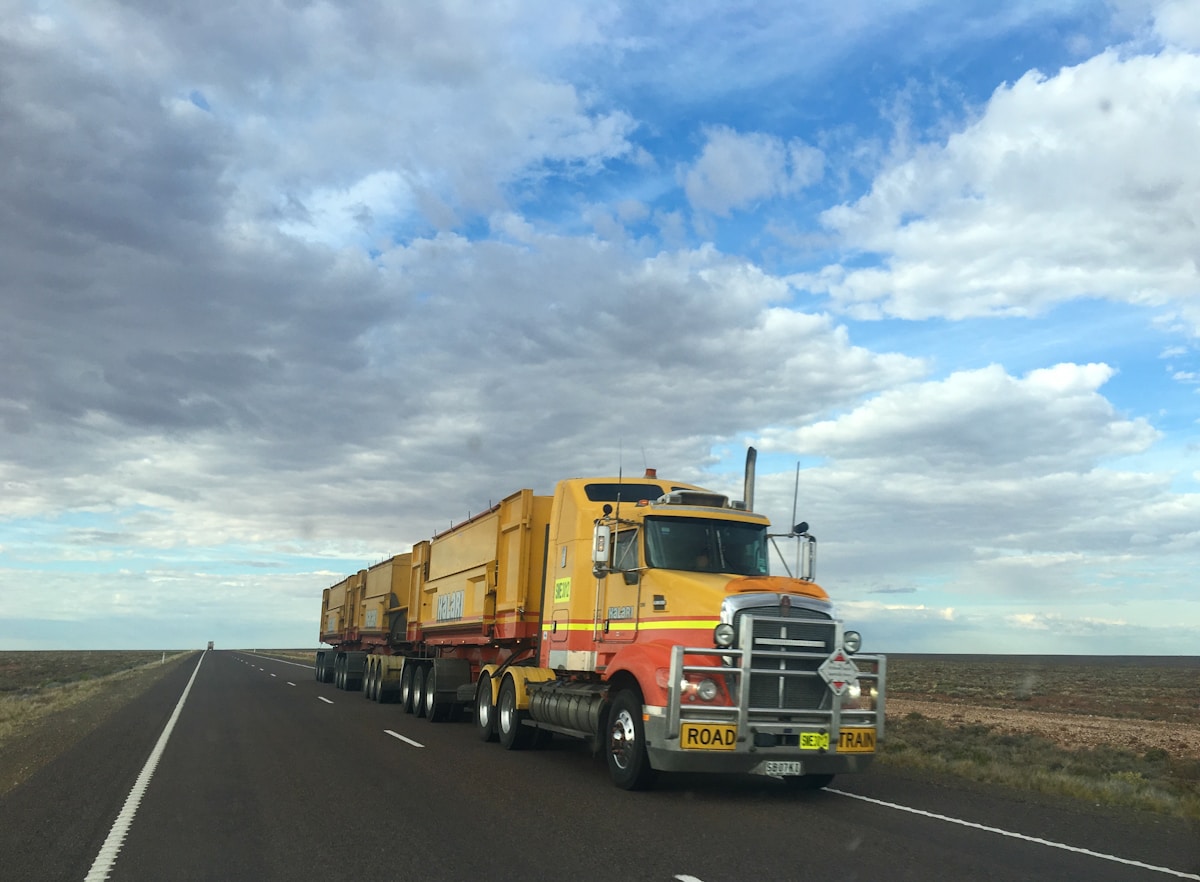
I-80 & I-90
Westbound Corridor
Cross-Country to California & Pacific Northwest
I-80 and I-90 provide Illinois’s primary westbound cross-country carrier flow extending through Iowa, Nebraska, and the Mountain West toward California, Oregon, and Washington. This corridor supports long-haul transport with stable year-round availability and balanced load distribution.

I-90 & I-94
Eastbound Corridor
Chicago to Northeast Corridor Flow
I-90 and I-94 form Illinois’s highest-frequency eastbound corridors connecting Chicago to Cleveland, Detroit, Buffalo, and New York. These routes operate as continuous high-volume carrier pipelines into the Northeast logistics network with 2–3 day transit times to New York.

I-65
Southeast Connector
Southbound Midwest to Southeast Corridor
I-65 provides Illinois’s southeastern outbound carrier connection from Chicago through Indianapolis and Louisville into the broader Southeast logistics network. This corridor functions as an alternative routing path when I-55 congestion increases and supports steady year-round carrier availability for Midwest-to-Southeast vehicle transport.
Seasonal Demand and Transport Timing in Illinois
October to February — Snowbird Outbound Peak
Illinois outbound snowbird season runs from October through February as vehicles move from Chicago to Florida, Arizona, and California. Carrier demand peaks due to southbound load imbalance. Lead time averages 7–14 days during peak congestion. October–November = highest competition period.
March to May — Snowbird Return Season
March through May represents inbound transport into Illinois as vehicles return from Florida, Arizona, and California. Carrier availability improves compared to outbound peak. Lead times average 5–10 days during this return cycle.

June to August — Summer Relocation Peak
June through August is Illinois’s summer relocation peak driven by corporate and university moves. Carrier demand is high across all six Chicago corridors. Lead times average 5–8 days due to nationwide relocation overlap.
December to March — Winter Routing Conditions
Lake Michigan lake effect snow affects I-90 and I-94 corridors during winter months. Carrier schedules experience 1–3 day delays during active weather events. Road salt exposure occurs across all Illinois interstate routes. No sustained off-peak window exists in Illinois.

Carrier Coordination and Dispatch Operations in Illinois
Chicago Metro Access — Truck Routes, Tollways, and Residential Delivery
Chicago metro access operates under CMAP-designated truck route restrictions that define where multi-car haulers can legally operate within the city. The I-90, I-294, and I-88 toll corridors structure Chicagoland carrier movement and introduce operational surcharges that are factored into dispatch planning. South Side and West Side residential zones often require alternative meeting points at designated truck-access intersections due to street restrictions and limited hauler access.
These constraints require structured verification before booking to confirm pickup feasibility across Chicago metro and inner suburban addresses. Dispatch execution for Chicago metro movements is coordinated through logistics operations to ensure carrier assignment accuracy prior to scheduling confirmation.
Downstate Illinois — State Highway Spring Thaw Routing
Downstate Illinois operates under seasonal state highway routing constraints between January and April due to weight restrictions and spring thaw conditions on non-interstate roads. Cities such as Springfield, Peoria, Champaign, and Rockford experience reduced carrier routing flexibility during this period as carriers prioritize interstate corridors over restricted state highway segments.
These conditions require flexible scheduling windows and adjusted pickup planning because non-interstate routing increases variability in carrier timing compared to Chicago hub interstate dispatch operations.
Explore Other Vehicle Transport Service Options

Open Auto Transport
Open auto transport is the standard method across all Illinois corridors. During December through March, vehicles are exposed to road salt application on I-90, I-94, I-55, I-80, I-57, and I-65. Salt exposure is documented in the pre-transport inspection process for Chicago hub dispatch.
Enclosed Auto Transport
Enclosed transport protects vehicles from snow, ice, and salt exposure during Illinois winter months. High-value and specialty vehicles benefit from enclosed carriers especially during peak winter routing conditions from December through March.
Expedited Auto Transport
Expedited transport prioritizes carrier assignment from the Chicago hub across all six corridors. Peak season scheduling from October through November requires faster dispatch sequencing due to snowbird outbound demand.
Door-to-Door Auto Transport
Door-to-door delivery across Illinois requires Chicago truck route verification before booking confirmation. CMAP-designated truck routes determine multi-car hauler access, and restricted residential streets may require alternate pickup points near accessible intersections.
Illinois Preparation and Transport Considerations
Carrier Compliance in Illinois
Illinois carrier operations are governed exclusively by FMCSA federal compliance standards with no CARB-equivalent emissions authority in the state. All carriers operating through the Chicago hub and six-corridor system must maintain valid federal operating authority before dispatch assignment. Illinois state highway weight restrictions apply during spring thaw conditions from January through April, affecting non-interstate routing only. Interstate corridors (I-90, I-94, I-55, I-80, I-57, I-65) remain unaffected.
Vehicle Preparation for Illinois Transport
Standard preparation includes quarter-tank fuel, removal of personal items, alarm deactivation, and pre-pickup condition photography. Vehicles transported during December through March in Illinois may require salt exposure documentation if driven on winter-treated roads. This is recorded as environmental condition in the inspection report and does not constitute transport damage. Low-clearance and specialty vehicles should be flagged in advance due to Chicago hub loading requirements across all six corridors.
Logistics Process →Illinois Delivery Documentation
All Illinois deliveries require a signed bill of lading at delivery completion and standard vehicle inspection documentation. Illinois Secretary of State title transfer rules apply after delivery for ownership registration but are not part of transport execution. No VIN inspection or emissions compliance is required for transport purposes in Illinois. Delivery verification is handled through carrier documentation and compliance records maintained during dispatch.
Compliance →Planning Illinois Auto Transport
Shipping from Illinois during the October through February snowbird outbound peak to Arizona, Florida, or California requires booking 7 to 14 days ahead because southbound and westbound carrier demand is at annual maximum. Shipping to Illinois during the March through May snowbird return inbound window requires booking 7 to 10 days ahead for all three Chicago corridors because northbound and eastbound carrier capacity is allocated to return vehicles.
Shipping during the June through August summer relocation peak follows standard 5 to 8 day lead times from the Chicago hub across all six corridors. December through March winter routing adds a 1 to 3 day scheduling buffer to account for Lake Michigan lake effect snow delays on I-90 and I-94 eastbound and westbound routes. Illinois has no sustained off-peak window because the three sequential seasonal demand phases create continuous elevated demand throughout the year.
Key Notes
Cost variables specific to Illinois transport, including the Chicagoland tollway surcharge differential and the snowbird peak season pricing, sit inside pricing . Chicago metro truck route coordination and six-corridor dispatch management during seasonal peaks are handled through logistics operations to match booking windows with carrier availability before confirmation.