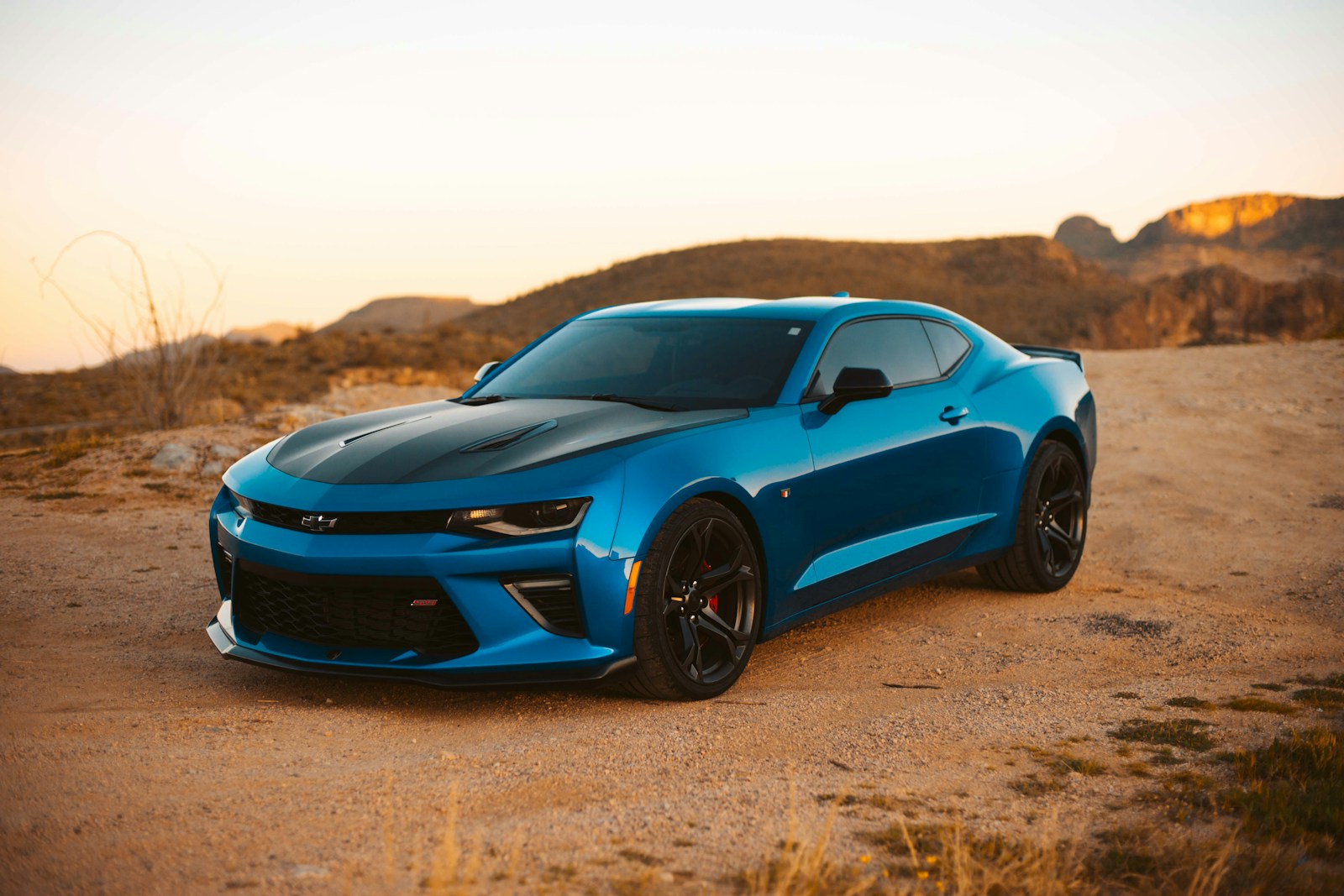
Protected Vehicle Shipping for Transport That Requires More Control
Designed for vehicles where transport conditions, protection, and handling expectations matter. Enclosed auto transport is a vehicle transportation method that uses a fully enclosed trailer to move vehicles in a protected shipping environment with reduced exposure to road and weather conditions.
Designed for vehicles where transport conditions, protection, and handling expectations matter.
Get a Free Quote
Live RatesFast, accurate & instant transport pricing
Enclosed Auto Transport
enclosed auto transport
is a vehicle transportation method that uses a
fully enclosed trailer
to move vehicles in a
protected shipping environment
with reduced exposure to road and weather conditions.
This method is part of broader vehicle transportation services and is designed for shipments where
protection environment,
handling consistency, and controlled transit conditions are required.
The use of an enclosed trailer provides a sealed transport structure that minimizes external exposure during transit,
making it a distinct option within modern auto shipping systems.
It is important to understand that this method operates alongside other vehicle transportation services,
and is different from open carrier transport, which uses exposed trailers for general vehicle movement.
Carriers on your route book 5–7 days out.
Reserve your pickup window now to hold today's rate — spots release to the next shipper at the dispatch cutoff.
Pickup slots left this week (placeholder)
3 of 18 remaining
✓ Booked · Sedan · Phoenix → Houston · 11 min ago
Enclosed Auto Transport for Added Vehicle Protection
Enclosed auto transport is a vehicle shipping method that moves cars inside a fully covered trailer,
providing a controlled environment throughout transit.
Unlike open carriers that expose vehicles to weather and road conditions, enclosed trailers use sidewalls
and a roof to reduce contact with rain, dust, gravel, and UV exposure.
This method sits within the broader vehicle transportation services ecosystem as a specialized option under
auto transport and car shipping. It serves vehicle owners who prioritize protection over cost efficiency.
Brightway Logistics coordinates enclosed transport through a nationwide carrier network, matching shipments
to vetted carriers with the right trailer type and routing availability.
Visual comparison of exposure levels during transit
How Enclosed Auto Transport Protects Vehicles in Transit
The primary advantage of enclosed car shipping is environmental control. Vehicles travel inside a sealed trailer that blocks direct exposure to the elements wind-driven rain, road salt, kicked-up gravel, insects, and airborne dust never reach the vehicle surface.
Reduced Weather Exposure
Vehicles are transported inside a sealed trailer that blocks direct exposure to rain, wind, UV rays, and harsh weather conditions during transit.
Road Debris Protection
Enclosed trailers prevent contact with gravel, stones, insects, and airborne debris that may cause scratches or surface damage on open carriers.
Controlled Trailer Environment
The enclosed trailer provides a stable, controlled shipping environment that minimizes external handling and exposure throughout the journey.
Lower Exterior Exposure During Shipping
Reduced exposure helps protect paint integrity, chrome detailing, factory finishes, and custom modifications during long-distance transport.
This controlled environment helps maintain paint integrity, factory finishes, chrome detailing,
and aftermarket modifications. Enclosed carrier transport also reduces the risk of small stone chips
and water spotting that can occur on open trailers during highway travel.
It is important to understand that no transport method eliminates all risk entirely. Enclosed auto shipping
significantly reduces exposure, but proper documentation at pickup and delivery including condition reports
and photographic inspection remains essential for every shipment. Brightway Logistics coordinates these inspections
as part of the standard vehicle transport safety protocol.
When Enclosed Auto Transport Is the Right Shipping Method
Not every vehicle requires enclosed shipping. Standard daily drivers often travel safely on open auto transport carriers. But when vehicle value, rarity, condition, or sentimental significance raises the stakes, enclosed transport becomes the logical choice.
The decision typically comes down to what the vehicle is worth, how difficult it would be to repair or replace, and how much transit exposure the owner is willing to accept.
When protection matters
Vehicles that require shielding from weather, debris, and environmental exposure during transit.
When vehicle condition matters
High-value finishes, restoration work, or delicate components require controlled handling.
When owner preference requires controlled transport
Owners who prioritize maximum protection and reduced exposure regardless of cost.
Classic Cars
Classic and vintage vehicles often carry irreplaceable value both financial and personal. Original paint, chrome trim, and period-correct parts are difficult or impossible to restore if damaged. Enclosed auto transport keeps these vehicles away from road debris and weather that could compromise decades of preservation or restoration work.
Luxury Vehicles
High-end sedans, grand tourers, and premium SUVs benefit from the enclosed environment. Factory paint finishes, carbon fiber accents, and custom detailing remain untouched during transit. Owners shipping vehicles after purchase or relocating across states frequently choose this method.
Exotic Vehicles
Low-clearance supercars and hypercars demand liftgate loading to avoid ground contact. Enclosed trailers accommodate these vehicles safely, with soft straps and climate-controlled conditions that protect sensitive body panels and aerodynamic components.
Motorcycles
Custom-built, vintage, or high-performance motorcycles ship well inside enclosed trailers. The enclosed space prevents wind buffeting, road spray, and debris contact. Specialized securement keeps each motorcycle upright and stable throughout the trip.
Electric Vehicles
EVs with sensitive battery packs, advanced sensor arrays, and camera systems benefit from enclosed transport. Reduced exposure to moisture, extreme temperatures, and debris protects these components during transit. Owners moving new EVs across states often select this method.
What to Expect from Pickup, Loading, and Delivery
Enclosed auto transport follows a coordinated sequence from booking through final delivery. Understanding each stage helps set accurate expectations and ensures a smooth experience.
Pickup Coordination
Pickup coordination begins after a carrier is assigned. Brightway Logistics confirms the pickup window based on enclosed trailer availability and route scheduling. Because enclosed carriers handle fewer vehicles per load, scheduling may require additional lead time.
Enclosed Trailer Loading
Loading uses a hydraulic liftgate or ramp system. The driver positions the vehicle inside the trailer and secures it using soft tie-down straps at each wheel. A full pre-shipment inspection is completed with photos and documentation before transport begins.
Delivery Inspection
At delivery, the vehicle is unloaded and inspected alongside the recipient. Both parties review the condition report and sign the bill of lading. Any concerns are documented immediately to ensure full transparency.
During transit, the vehicle remains enclosed with no external access until delivery. The carrier follows a planned route coordinated through the Brightway logistics process to manage timing and efficiency.
Learn more about inspection procedures and transport documentation through the compliance and insurance hub.
Tradeoffs and Planning Considerations for Enclosed Auto Transport
Choosing enclosed vehicle transport involves practical tradeoffs worth understanding before booking.
Planning Constraints
Requires planning flexibility. Trailer capacity is limited. Enclosed carriers move fewer vehicles per trip, so scheduling windows are narrower and route availability may vary by region.
Lead times are longer. Because enclosed trailers are in higher demand, bookings often require advance notice. Flexible timing improves placement within efficient routes.
Trailer access limitations. Larger enclosed carriers may not fit residential streets or restricted areas. Alternate pickup points such as nearby commercial locations may be required.
Cost variables differ. Equipment specialization, limited capacity, and demand influence pricing. Each shipment is quoted based on route, timing, and vehicle requirements.
When This Method Fits
When protection outweighs convenience. The enclosed method is chosen when minimizing exposure matters more than faster scheduling or lower cost.
When vehicle sensitivity is high. Vehicles with delicate finishes, rare components, or high value benefit from controlled transport conditions.
When shipment conditions matter. Long-distance routes, seasonal weather, and handling expectations all influence the need for enclosed shipping.