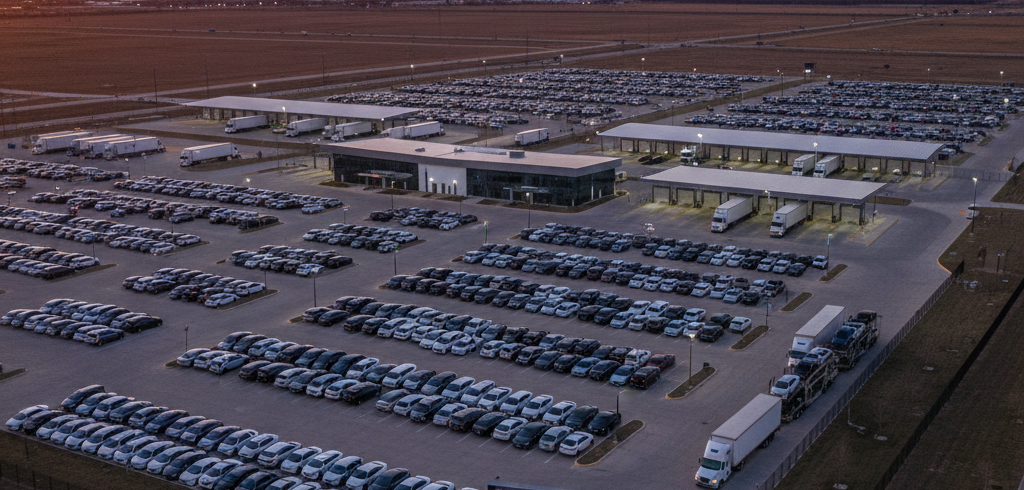
Open Auto Transport
Efficient and Affordable Vehicle Transport Across the United States. Open carrier transport is the most widely used method for shipping cars, SUVs, and trucks safely and cost-effectively through a trusted national carrier network.
Trusted by thousands of customers for safe and reliable nationwide vehicle delivery.
Get a Free Quote
Live RatesFast, accurate & instant transport pricing
Open Auto Transport
Open auto transport is the most widely used vehicle shipping method in the United States. As a core service within Brightway’s vehicle transportation services, this method moves cars, trucks, and SUVs on open carrier trailers through scheduled national and regional routes. Whether you’re relocating across the country or purchasing a vehicle from out of state, open carrier transport delivers the combination of availability, efficiency, and cost practicality that makes it the standard choice in auto transport and car shipping today.
Brightway coordinates open auto transport shipments through a structured dispatch and carrier network, handling everything from pickup scheduling to delivery confirmation. This explains what open auto transport includes, how the carrier system works, when this method is the right fit, and how to request a quote.
Service Type
Open Auto Transport
Coverage
National & Regional Routes
Operation
Dispatch & Carrier Network
Carriers on your route book 5–7 days out.
Reserve your pickup window now to hold today's rate — spots release to the next shipper at the dispatch cutoff.
Pickup slots left this week (placeholder)
3 of 18 remaining
✓ Booked · Sedan · Phoenix → Houston · 11 min ago
What Open Auto Transport Includes
Open auto transport is a vehicle shipping method that loads automobiles onto open carrier trailers—the same multi-level equipment you see moving vehicles on highways nationwide. Vehicles are secured onto exposed transport equipment and moved through scheduled carrier routes with coordinated pickup, transit, and delivery verification at destination.
Vehicles are driven or winched onto an open-deck trailer, positioned in assigned slots, and secured with wheel straps and tie-downs. Most carriers accommodate seven to ten vehicles per load.
During transport, vehicles ride on an uncovered trailer system. They are fully secured but remain open to ambient weather and road conditions—a practical tradeoff that keeps this method highly accessible and cost-efficient.
Shipments follow established carrier corridors. Pickup and delivery windows are coordinated around carrier dispatch cycles, route density, and load consolidation across the network.
Open auto transport is not towing, freight cargo hauling, container shipping, or household moving. It is a purpose-built vehicle transport method designed to move standard automobiles efficiently across short and long distances using professional carrier equipment.
Vehicle Transportation Services, Auto Transport, and Open Auto Transport
Understanding where open auto transport sits within the broader service landscape helps clarify what you’re getting and how the method connects to Brightway’s full transportation system.

Vehicle Transportation Services
Vehicle Transportation Services is the umbrella category covering all professional methods of moving vehicles from one location to another. This includes everything from single-car shipments to fleet relocations and dealer-to-dealer transfers. Brightway operates as a full-service provider within this space, coordinating carrier dispatch, route planning, and shipment documentation for customers across the continental United States.
View Details
Auto Transport
Auto transport narrows the category to the movement of passenger and standard commercial vehicles through professional carrier networks. This is the service layer where carrier type, route structure, and scheduling specifics begin to define the shipment. Auto transport is not general freight—it’s a specialized segment of vehicle logistics built around equipment designed exclusively for automobiles.
View Details
Car Shipping
Car shipping refers to the consumer- and business-facing execution of auto transport. When someone says they need to “ship a car,” they’re describing the practical act of booking a vehicle onto a carrier, scheduling transit, and receiving it at destination. Open auto transport is the most common method through which car shipping is fulfilled, accounting for the vast majority of standard vehicle shipments nationwide.
View DetailsTogether, these layers form the hierarchy: vehicle transportation services as the root, auto transport as the operational segment, car shipping as the market-facing execution, and open auto transport as the specific carrier-configuration method. Brightway’s vehicle transport services hub organizes these methods so customers can identify the right approach for their shipment.
How Open Carrier Vehicle Transport Works
Multi-Level Steel Frame Trailers
Open carrier vehicle transport uses multi-level steel-frame trailers that carry vehicles in stacked or single-deck configurations. These trailers are the backbone of the vehicle shipping industry, built specifically to load, secure, and move multiple automobiles in a single trip.

Hydraulic Loading Systems
The carrier structure typically features hydraulic ramps for loading, adjustable deck heights to accommodate different vehicle sizes, and individual wheel nets or strap systems for each vehicle position. A standard open carrier holds seven to ten cars.

Weight Distribution & Positioning
Vehicles are positioned based on weight distribution, destination order, and clearance requirements. Heavier vehicles often go on the lower deck, while lighter sedans and compacts fit on upper levels.

Open Exposure Transport
Because the trailer is open without walls or roof enclosure, vehicles are exposed to road conditions. They are mechanically secured and protected structurally, but not shielded from weather or road debris.
When Open Auto Transport Is the Right Choice
Open auto transport is the right method for the majority of vehicle shipments. If you’re shipping a standard passenger car, daily-driver truck, family SUV, or common crossover, this is almost certainly the approach that fits your needs.
The method works well across a range of common situations:
Ideal Use Cases
- • Ideal for standard vehicles (sedans, trucks, SUVs)
- • Relocations across states
- • Online purchases from out-of-state
- • Seasonal moves (snowbirds, etc.)
Relocations
Efficient and cost-effective for moving standard vehicles.
Online Vehicle Purchases
Affordable for vehicles bought from out of state.
Seasonal Moves
Great for shipping vehicles between primary and secondary residences.
Dealer Inventory Moves
Ideal for dealers moving inventory between locations.
Military PCS moves. Service members shipping personal vehicles as part of a permanent change of station.
What makes open auto transport the standard choice is carrier availability. Open trailers outnumber enclosed units significantly, which means shorter booking windows, more route coverage, and better scheduling flexibility. Nationwide carrier density is highest for open equipment, making this the most accessible vehicle shipping method across both major metro corridors and mid-range routes.
If maximum physical enclosure is not a strict requirement—and for most standard vehicles, it isn’t—open auto transport provides efficient, reliable transport at the most practical cost point in the market.
Exposure and Protection Considerations in Open Transport
Transparency about exposure is important. When your vehicle rides on an open carrier, it is subject to the same environmental conditions any vehicle would encounter during a normal highway drive: rain, road dust, minor debris, temperature shifts, and sun exposure.
This does not mean your vehicle is at high risk of damage. Open carriers are professional transport equipment operated by licensed drivers under FMCSA-regulated standards. Vehicles are mechanically secured, and the incidence of meaningful cosmetic or structural damage during standard open transit is low. According to industry transport data, the overwhelming majority of vehicles shipped on open carriers arrive without incident.
That said, open transport has practical boundaries:
- • Weather exposure such as rain, snow, dust, or sun depending on route
- • Minor road debris like gravel or road grit during highway transit
- • No physical enclosure or protective walls during transport
For standard vehicles—the kind driven daily in all weather conditions—these factors rarely represent a concern that outweighs cost and scheduling advantages. For high-value collectibles, show cars, or vehicles requiring climate-controlled transit, enclosed transport may be more appropriate.
Open Carrier Exposure
Vehicles exposed to natural highway conditions during transit.
Controlled Transit Condition
Stable secured transport environment with low damage probability.
How Open Auto Transport Compares to Enclosed Transport
The core difference between open and enclosed auto transport comes down to physical shielding. Open carriers transport vehicles on exposed trailers. Enclosed carriers use fully walled and roofed trailers that seal vehicles inside during transit.
Most vehicles do not require enclosed protection. Open auto transport is the industry standard precisely because the protection tradeoff is negligible for everyday cars. Enclosed transport becomes relevant when the vehicle’s financial or sentimental value justifies the added cost and reduced carrier availability—classic restorations, exotics, and high-end luxury models are the typical use cases.
Brightway offers both methods. If you’re unsure which fits your shipment, the quote process includes method guidance based on the vehicle you’re shipping.
Pickup, Scheduling, and Delivery in Open Auto Transport
Open auto transport shipments follow a structured coordination process from first contact through final delivery.
Pickup Coordination
After booking, Brightway’s dispatch team assigns your vehicle to a carrier on a route that serves your origin and destination. You’ll receive a pickup window—typically a range of one to several days—and the driver contacts you directly to confirm a specific pickup time. For door-to-door auto transport, the carrier comes to your location. For terminal-to-terminal vehicle transport, you deliver the vehicle to a designated facility.
Route-Based Scheduling
Carriers operate along planned corridors that consolidate multiple pickups and deliveries into efficient route sequences. Your vehicle shares the carrier with other shipments heading in the same general direction. Route density, seasonal demand, and carrier availability all influence scheduling timelines.
Transit
Once loaded, your vehicle moves with the carrier through its route. Transit times depend on distance, route complexity, and any intermediate stops. Brightway provides estimated delivery windows based on the assigned carrier’s schedule.
Delivery Confirmation
At destination, the driver unloads your vehicle and conducts a joint condition check with you or your designated receiver. Both parties note the vehicle’s condition against the original pickup inspection. This step finalizes the shipment.
For time-sensitive shipments, Brightway also offers expedited auto transport with priority carrier assignment and accelerated dispatch.
Transport Workflow Timeline
Pickup
Carrier assigned & pickup window scheduled with direct driver coordination.
Scheduling
Route planning and carrier alignment based on transport corridor efficiency.
Transit
Vehicle moves through national multi-stop carrier network during transport.
Delivery
Final inspection completed and delivery confirmed at destination.
Pricing Factors for Open Auto Transport
Open auto transport is generally the most affordable vehicle shipping method, but the exact cost of any shipment depends on several variable factors.
Distance
Longer transport costs more, though per-mile rate decreases over long distances.
Vehicle Size
Larger or heavier vehicles require more carrier space and increase cost.
Route Density
High-traffic routes offer better pricing due to higher carrier availability.
Seasonal Demand
Peak seasons like summer and snowbird migration increase pricing.
Carrier Availability
Limited carriers on a route can raise shipping rates.
Scheduling Flexibility
Flexible pickup windows allow better pricing through load optimization.
Understand Your Exact Shipping Cost
Get pricing based on your route, vehicle type, and schedule.
View Pricing Factors →Logistics Process and Shipment Verification
Every open auto transport shipment operates within Brightway’s broader logistics coordination framework. The goal is to keep every step documented, verifiable, and tied to clear accountability from origin to destination.
Vehicle Inspection
Before your vehicle is loaded onto the carrier, the driver conducts a detailed condition inspection. This records existing scratches, dents, paint condition, glass integrity, and any pre-existing damage. You receive a copy of this condition report, which becomes the baseline reference for delivery.
Transport Documentation
Each shipment carries a bill of lading that outlines the vehicle description, origin and destination, carrier information, and shipment terms. This document travels with the vehicle and is part of the shipment record.
Delivery Verification
At dropoff, a second inspection compares the vehicle’s condition against the original report. Both the driver and receiver sign off, closing the shipment with documented confirmation that the vehicle arrived as expected.
Brightway’s logistics process provides a full walkthrough of how coordination, dispatch, and delivery sequencing work across all service methods. For questions about carrier licensing, insurance requirements, or documentation standards, visit the compliance and verification.
Customers shipping multiple vehicles on a single move can also explore multi-vehicle logistics for coordinated fleet and household shipments.
Carrier Verification
All carriers are licensed and insured under regulated standards.
Bill of Lading
Documentation provided at pickup and delivery for verification.
Shipment Tracking
Real-time tracking available during vehicle transit.
Secure Process
Fully documented and verified shipment lifecycle from pickup to delivery.
Explore Other Auto Transport Options
When timing is flexible, or when different protection, delivery, or coordination needs apply, another method may suit the shipment better. Each of these sits alongside open auto transport under Brightway Logistics’ services.
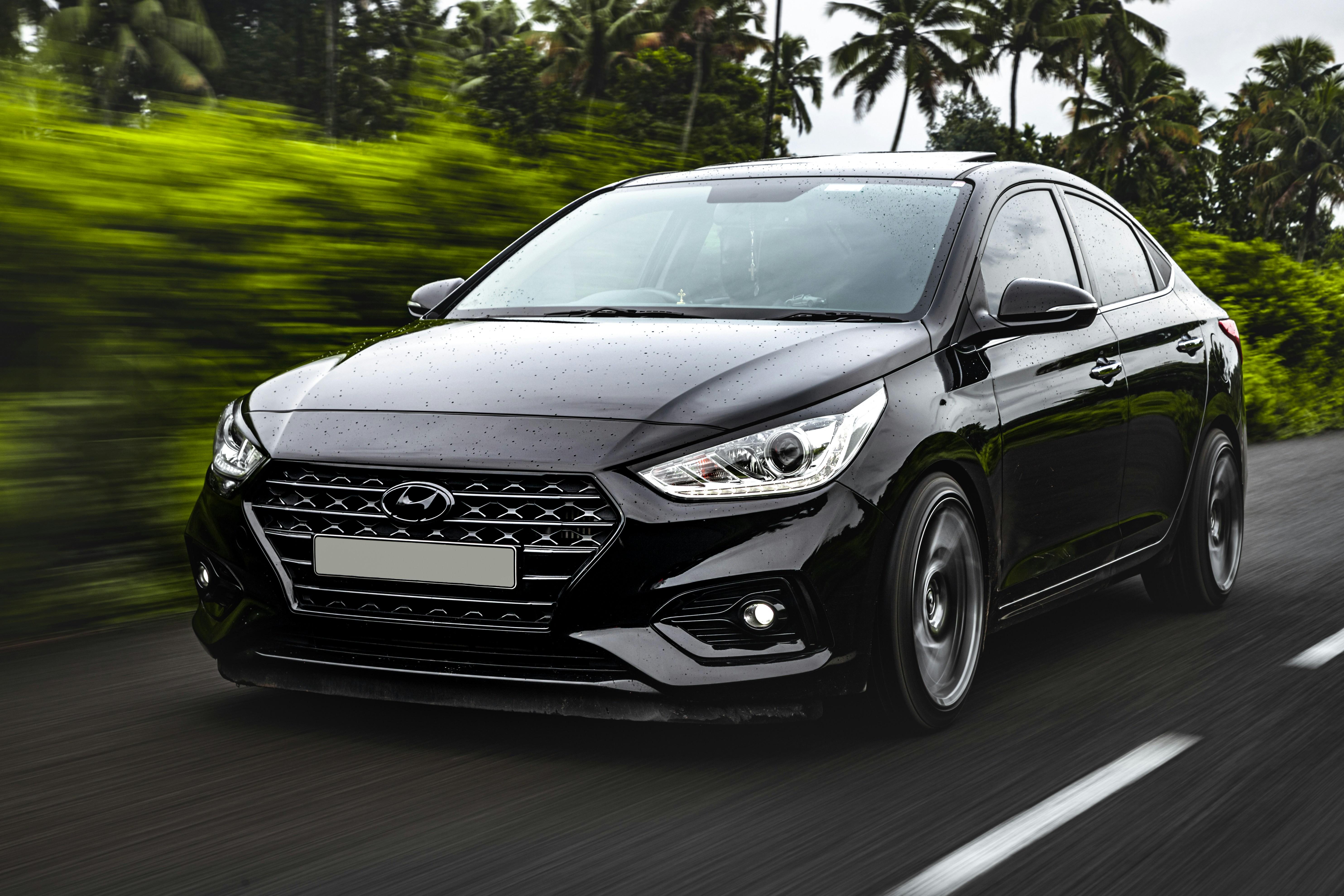
Enclosed Auto Transport
Enclosed auto transport uses covered trailers to provide a higher level of protection, typically chosen for luxury, classic, or high-value vehicles.

Expedited Auto Transport
Expedited Auto Transport from Brightway Logistics places time-sensitive shipments ahead of standard dispatch cycles for faster pickup and delivery.

Door-to-Door Transport
Pickup and delivery are coordinated as close to your provided addresses as access allows, ensuring maximum convenience.

Terminal-to-Terminal Transport
Uses designated drop-off and pickup terminals, ideal for structured and cost-efficient vehicle handoff.

Multi-Vehicle Logistics
Handles grouped shipments for dealers, fleets, and relocations requiring coordinated multi-vehicle transport planning.
Frequently Asked Questions
Is open auto transport safe for my vehicle? ⌄
Yes. Open carriers are professional FMCSA-regulated transport equipment operated by licensed drivers. Vehicles are mechanically secured with wheel straps and tie-downs. The vast majority of vehicles shipped on open carriers arrive without cosmetic or structural damage. Exposure to weather and minor road dust is possible, but meaningful damage is uncommon.
When should I choose open auto transport over enclosed? ⌄
Choose open transport when you’re shipping a standard passenger vehicle, daily driver, or common truck or SUV. Open carriers offer better availability, faster scheduling, and lower cost. Enclosed transport is typically reserved for high-value, collectible, or show-condition vehicles where maximum physical shielding is justified.
What is the difference between open and enclosed auto transport? ⌄
Open transport uses uncovered trailers where vehicles are exposed to ambient conditions during transit. Enclosed transport uses sealed, walled trailers that shield vehicles from weather and debris. Open is the industry standard for everyday vehicles. Enclosed is a premium option for high-value vehicles requiring extra protection.
How long does open auto transport take? ⌄
Transit time depends on distance, route, and carrier scheduling. A cross-country shipment typically takes seven to fourteen days. Shorter routes may take three to seven days. Pickup windows usually fall within one to five days of the scheduled date, depending on carrier availability and seasonal demand.
Licensed Carrier Network
FMCSA Compliance
Vehicle Insurance Coverage
Delivery Verification